It is one of the biggest decisions a homeowner in British Columbia can face: do you tear down and start fresh with a brand new custom home, or do you invest in renovating the property you already have? Both paths can lead to a home you love, but they come with very different costs, timelines, and trade-offs.
At Ravello Developments, we have guided clients through both routes across the Sea-to-Sky corridor, the Okanagan, and other regions of BC. There is no universal answer, the right choice depends on your property, your goals, and your budget. Here is how to think through the decision clearly.
The Core Differences
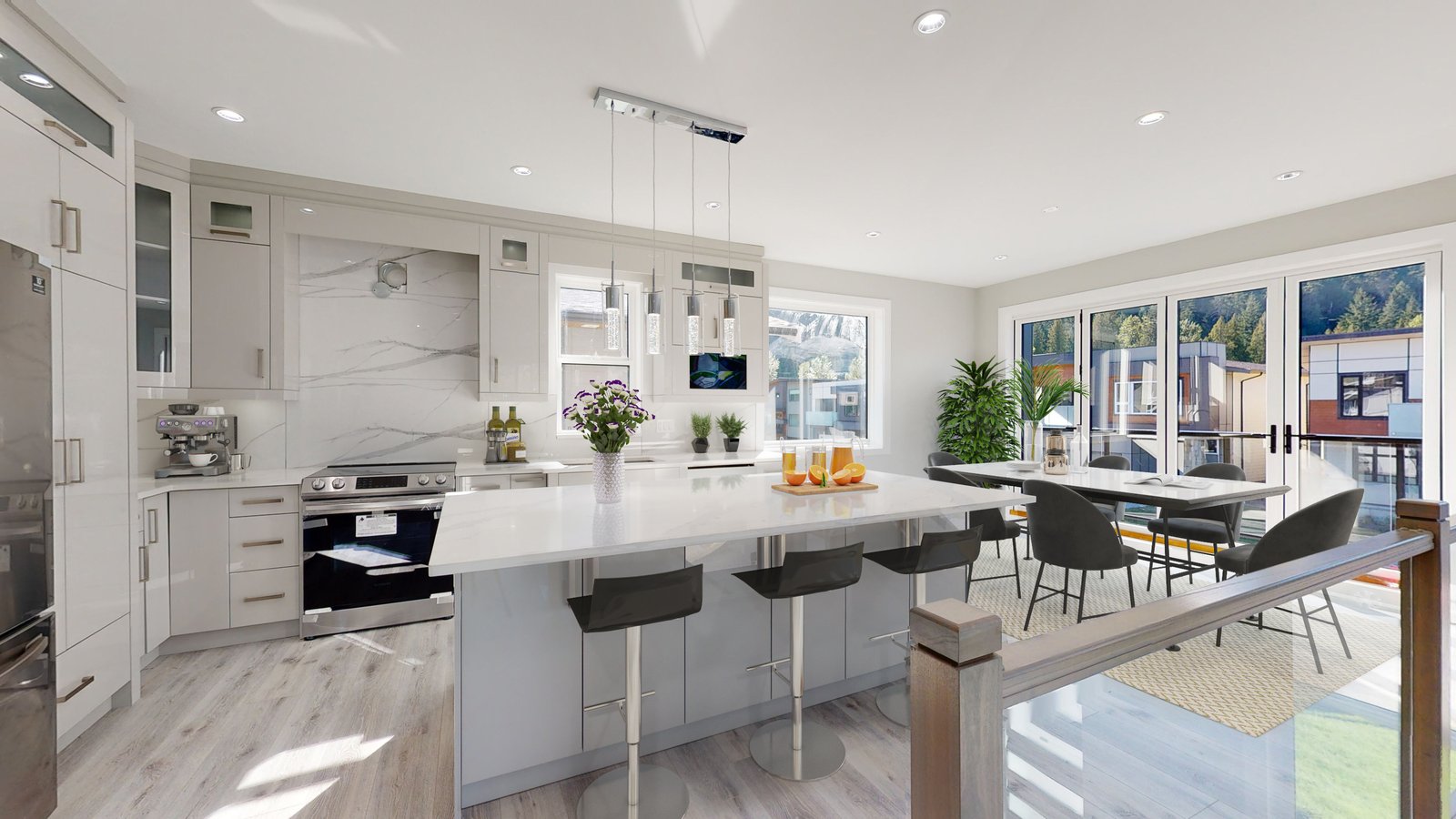
A new build gives you a blank canvas. You control the floor plan, the orientation on the lot, the mechanical systems, and every finish from the ground up. There are no compromises driven by existing walls, outdated wiring, or someone else's layout decisions. The result is a home built entirely to current building codes with modern energy efficiency, structural standards, and materials.
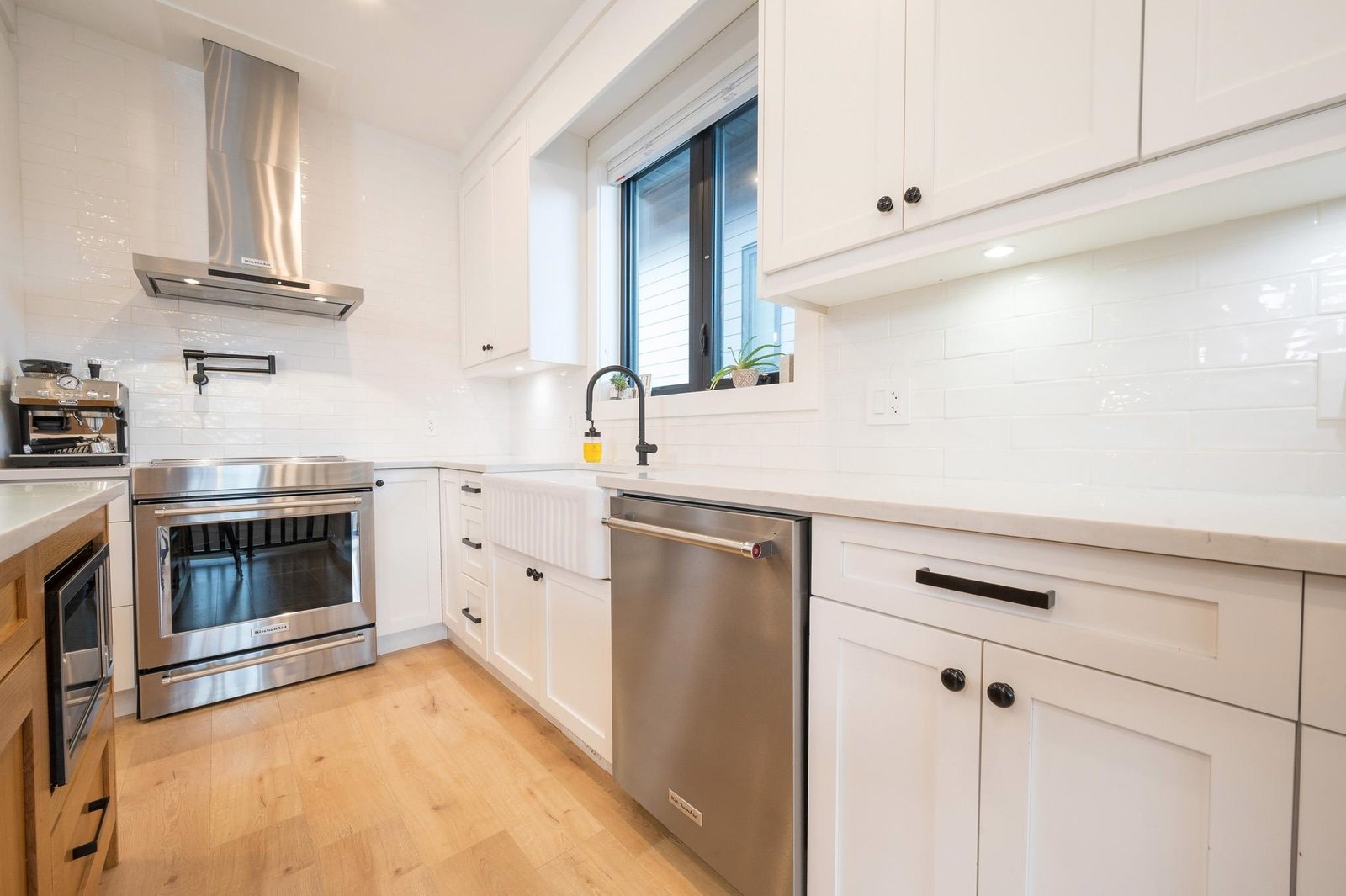
A renovation, on the other hand, works within the framework of what already exists. You are adapting, improving, and sometimes reimagining, but always within certain constraints. That is not necessarily a disadvantage. Many of BC's most desirable properties sit on established lots in mature neighbourhoods where the land alone carries tremendous value, and the existing structure has character worth preserving.
Cost Comparison in the BC Market
In British Columbia, custom new builds typically range from $350 to $700 per square foot depending on complexity, location, and finish level. A full gut renovation generally falls between $200 and $450 per square foot, though that number can climb when structural work, foundation upgrades, or significant layout changes are involved.
On the surface, renovation looks more affordable, and in many cases it is. But costs can be unpredictable. Opening up walls in older homes frequently reveals issues that were not visible during the planning stage: outdated wiring, asbestos, water damage, or framing that does not meet current seismic standards. These surprises add up quickly, and in some cases a renovation budget can approach new build territory without delivering the same result.
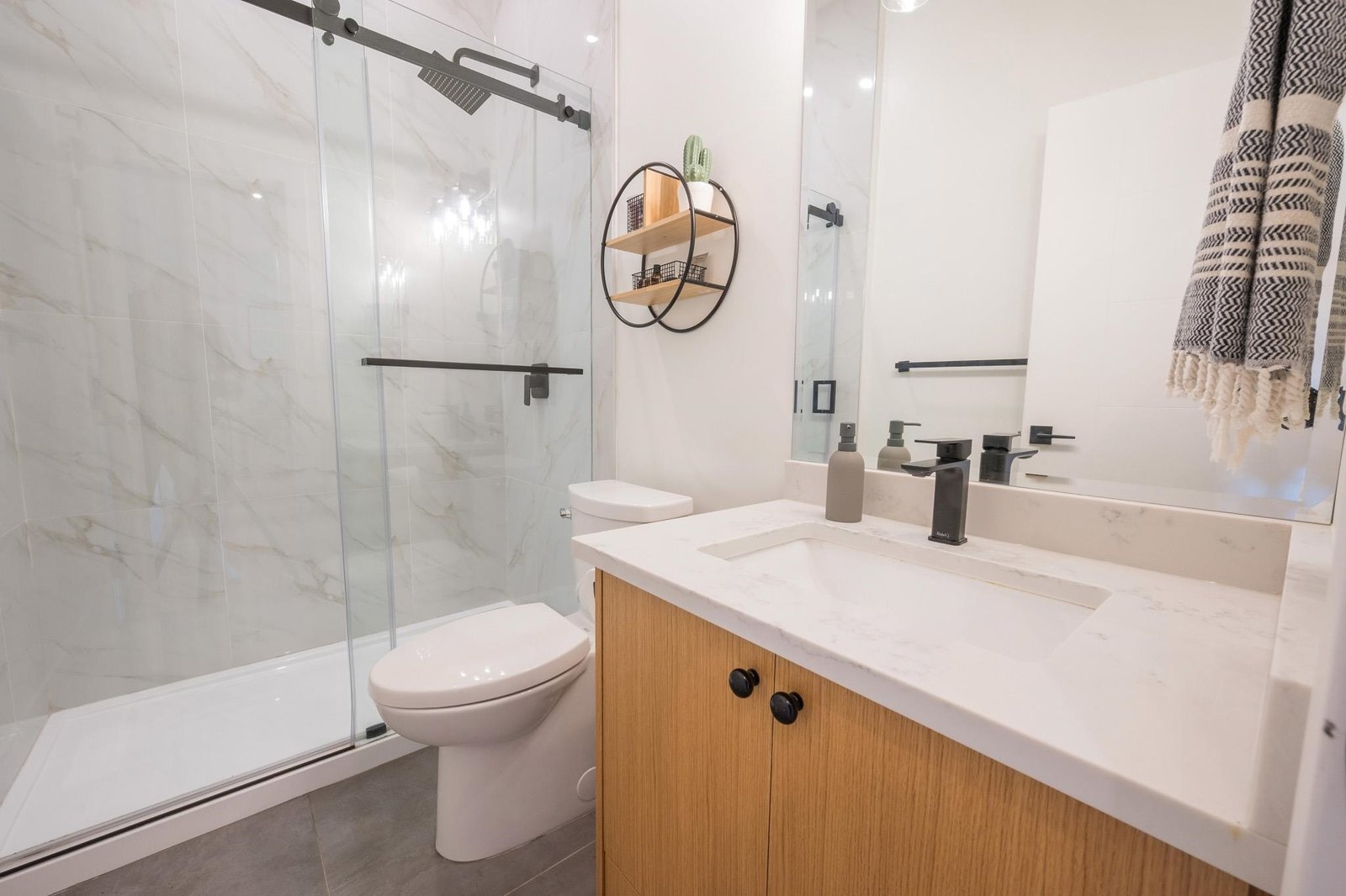
When Renovation Makes More Sense
Renovation is often the smarter path when the bones of the existing home are solid. If the foundation is in good condition, the framing is sound, and the overall footprint works for your lifestyle, there is real value in building on what is already there rather than starting from scratch.
Here are some situations where renovation tends to be the better choice:
- The location is irreplaceable: You own a lot in an established neighbourhood with mature trees, views, and proximity to schools or amenities that you could not replicate elsewhere.
- The home has heritage or architectural character: Some older homes in BC have craftsmanship and design details that would be prohibitively expensive to recreate in a new build.
- Zoning or setback restrictions limit new construction: In some municipalities, rebuilding triggers updated zoning requirements that reduce the buildable footprint. A renovation may allow you to maintain the existing envelope.
- Your budget is fixed: A well-scoped renovation with a clear plan can deliver a transformed living experience at a lower total cost than a new build.
When a New Build Is the Better Path
There are equally compelling reasons to start fresh. A new build makes the most sense when the existing structure would require so much work that renovation becomes an exercise in diminishing returns.
- The home's systems are beyond repair: Outdated electrical, failing plumbing, inadequate insulation, and a compromised foundation can make renovation costs approach or exceed new construction, without the benefit of a fully modern home at the end.
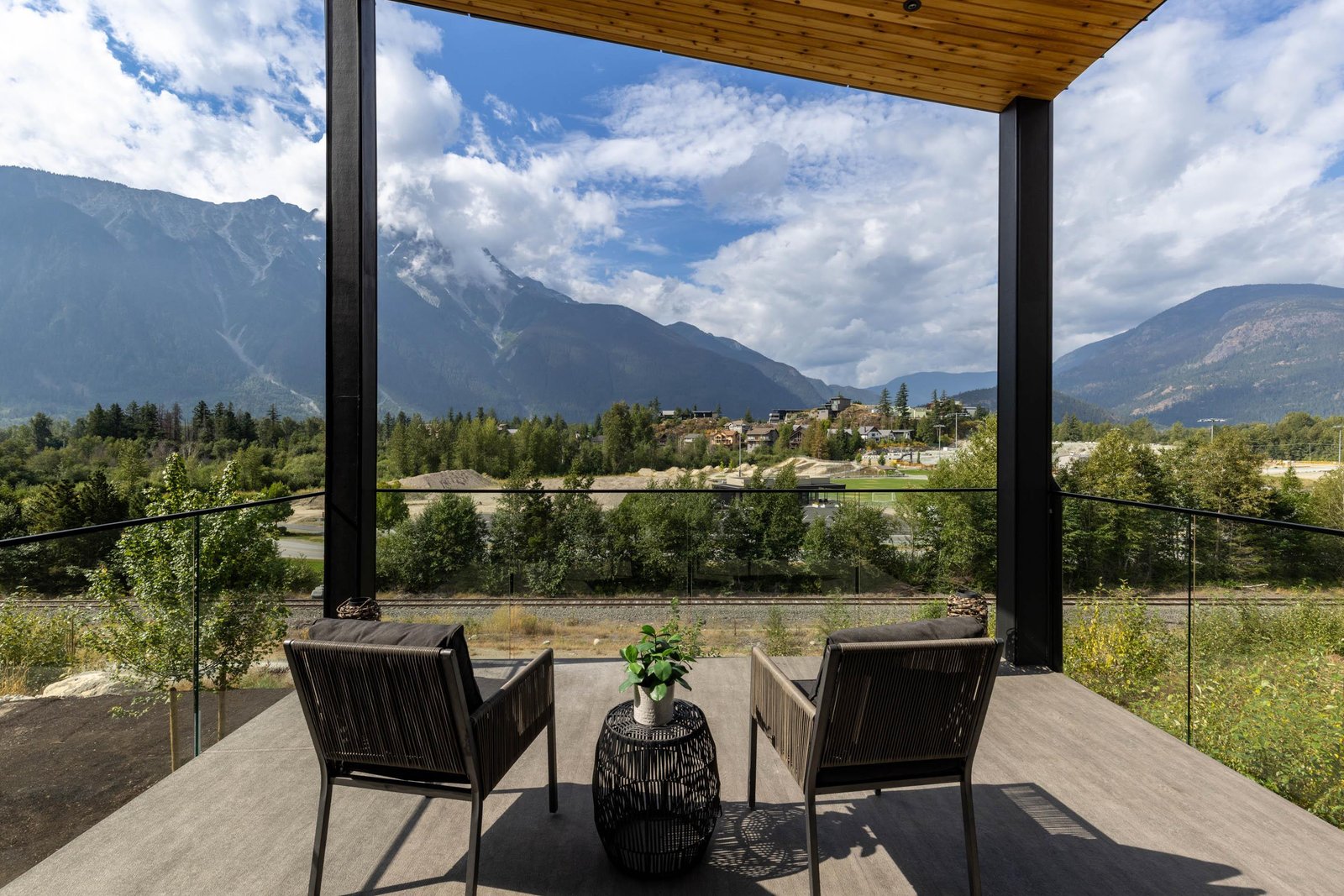
- The lot has untapped potential: If the existing home does not take advantage of views, natural light, or the topography of the land, a new design can unlock value that renovation simply cannot.
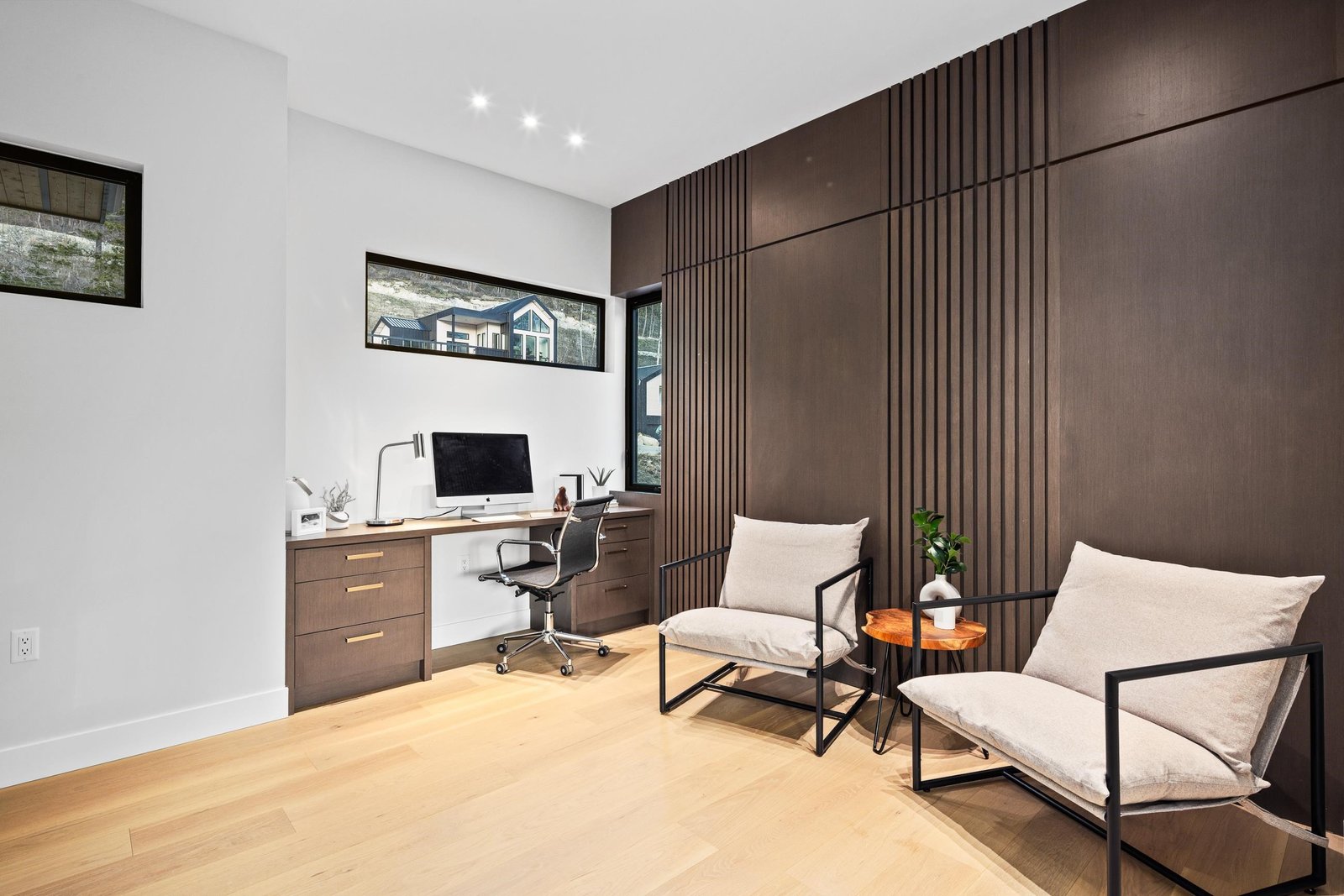
- You want a specific layout: Open-concept living, dedicated home offices, multi-generational suites, and modern flow patterns are difficult to achieve within the constraints of an older floor plan.
- Long-term value matters: A new custom home built to current BC energy codes and seismic standards will generally hold its value better and cost less to maintain over 20 to 30 years.
The best decision is not always the most obvious one. We have seen clients save hundreds of thousands by renovating a home others would have torn down, and we have seen others avoid years of frustration by choosing to build new when the existing structure was working against them at every turn.
How Ravello Helps Clients Decide
We do not push clients toward one option over the other. Every project begins with an honest assessment of the existing property, its condition, its potential, and its limitations. We look at the structural integrity, the mechanical systems, the lot characteristics, and the local building regulations before we make any recommendation.
From there, we develop preliminary cost estimates for both paths so you can compare them side by side with real numbers, not guesses. That clarity is what allows our clients to move forward with confidence, knowing they have chosen the route that best serves their vision and their budget.
Whether you are leaning toward a renovation or a ground-up new build, the first step is the same: a straightforward conversation about what you want and what your property can deliver. Reach out through our contact page and let us help you figure out the right path forward.